Break out the crayons and the circle rugs, California’s littlest learners are stepping into something big. For the first time, every 4-year-old in the state has a seat waiting in Transitional Kindergarten (TK), a program that has quietly grown into the largest early-education experiment in the country.
A school year of firsts
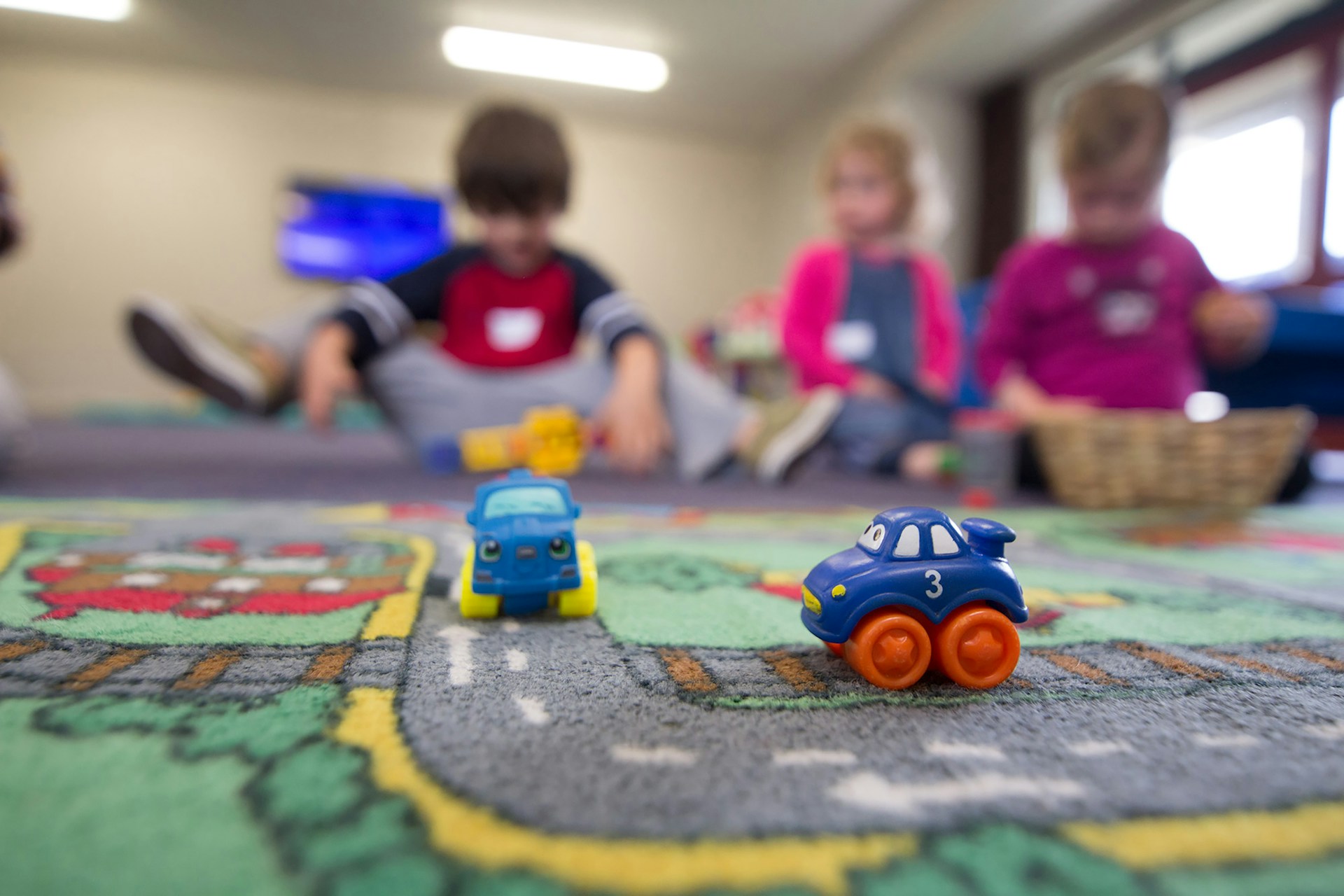
This fall, about 200,000 children are expected to begin TK. Their days won’t look like traditional kindergarten. Instead, the rhythm is softer songs, art, name-writing practice, number games, and time to figure out how to share blocks with a classmate. The goal isn’t just academic, it’s about easing 4-year-olds into the routines of school while sparking curiosity and confidence.
The long road to ‘universal’
TK has been slowly expanding since its start in 2010. Now, after 15 years of gradual rollout, 91% of school districts must offer the program. The exceptions? “Basic aid” districts that rely on property taxes and opt out of state funding.
Even with near-universal access, not every child will get in right away. Roughly 70% of eligible families are projected to enroll, but some districts already report waiting lists.
Early data also suggests that while access has expanded, Black, Latino, and Native American enrollment still trails behind their share of the eligible population. The state has yet to consistently track those numbers.
The teacher puzzle
Small class sizes sound dreamy, but they come with a catch: staffing. California needs at least 12,000 additional teachers with the right training and credentials to make TK work as designed. Advocacy groups like Early Edge California warn that the shortage could weigh heavily on quality and access.
More than just a program
For families, TK is more than an extra year of school, it’s free child care during the workday, it’s the peace of mind of knowing a child is guided by licensed teachers, and it’s a bridge between preschool and kindergarten that promises to set a steadier academic foundation.
As these new classrooms fill with paint-smeared smocks and shy introductions, California’s challenge is clear: build the workforce, track equity, and keep the promises that come with saying “universal.”
The first day is here; the real test will be how well the state nurtures this experiment over the long haul.